Michael F. Dougherty
|
|
|
|
|
Photo Bio
(Michael F. Dougherty)
The site focuses on the experience behind the images and the "art of seeing".
All images copyrighted Michael F. Dougherty
|
|
|
Michael F. Dougherty
|
|
|
|
|
|
|
Landscape Inspiration: William Keith (outside link)
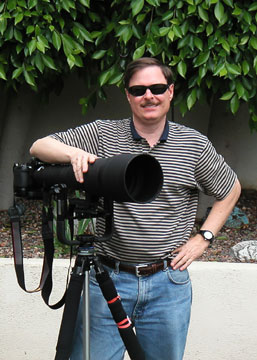
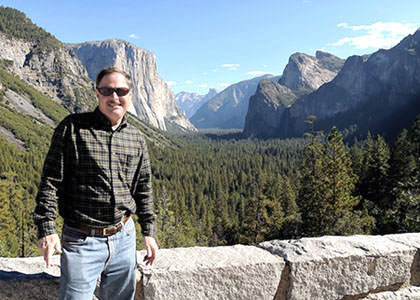
I generally participate in a couple of photo trips each year, generally to areas located on the West Coast of the US such as Yosemite, the Eastern Sierra, and miscellaneous coastal locations. These groups are comprised of from between 10 to 15 photographers, from experienced to novice, lead by someone I hope knows where to take us at the right time. Some of the great photographers concentrate on specific types of photography in specific locations. I don't have that luxury and depend on someone more knowledgeable to maximize photographic opportunities in only a limited amount of time.
|
|
|
|
|
|
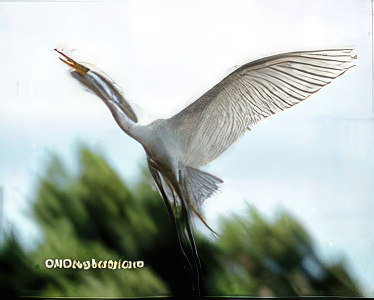
Back in the late 90's I was walking around Wild Animal Park, just north of San Diego, and couldn't avoid noticing these quite large white birds flying around the ponds. The above image is the first image I captured of a bird. You could not only see their feathers capture the wind but you could hear it. I don't remember seeing these birds in the 60's and 70's. I have now learned that the Common Egret was nearly driven to extinction in the late 1800's by the plume trade, particularly in Florida. They have made a great comeback, especially in Southern California.
in bird photography by a lot of amateur photographers including myself. Of course, once you've photographed egrets, you will add pelicans, ducks, eagles, and so forth. Being able to capture the dynamic motion of a bird in flight is exhilarating, especially with the new capabilities of the digital SLRs and advancement in telephoto lens technology.
|
|
|
|
|
|
There's no better compliment than when someone tells you that your images look like a painting (and the image they are looking at hasn't been post processed to look like a painting). Over the years, I've even had internet based water painting clubs ask permission if they could have their members paint some of my images. Of course I agreed without hesitation.
While flowers may seem like an easy target due to their natural beauty, capturing that beauty and recreating it on paper can be a little more difficult. Some photographers have really unique and stunning styles while I prefer to stick with the painting-like style.
|
|
|
|
|
|
Southern California is rich with some of the most beautiful and differentiated parks in the world. It's very sad that foreign visitors travel thousands of miles to visit the Huntington Library in San Marino but most locals don't even know it exists. Less extravagant but equally as beautiful gardens include Descanso, the Arcadia Arboretum, and the Living Desert in Palm Springs. These gardens provide ample opportunity to photograph a variety of subjects throughout the year.
|
|
|
|
|
|
Back in 1968, my dad gave me his old Contax IIIA with 135 mm F4 lens. I was living in the southern part of the San Francisco Peninsula and surfing in Santa Cruz every weekend. I remember using the camera for the first time at Steamers Lane. I thought this was the perfect surf photo setup. With great anticipation I had the first roll of film processed but it looked like I would need a lot more than a 135mm lens to take surf shots. Oh well, back to surfing in the cold waters and photographing sunsets on the San Francisco Peninsula.
In the late 90's I decided trying to shoot surf images again. Since I had owned a few Nikon cameras, I decided to stay with Nikon telephotos. Big mistake. I did rent Nikon 500 and 600mm manual focus lenses but these were antiquated compared to the auto focus lenses Canon was producing. I did purchase a Nikon manual focus 1,200mm F11 lens manufactured in 1984 for the LA Olympics. This is a great collectors item since only a few hundred were ever manufactured. It's quite humiliating being surrounded by Canon cameras on the beach all whizzing away while my Nikons were going clunk, clunk, clunk.
I was able to get serious about shooting surfers at ASP contests with the purchase of a Sigma 300-800mm F5.6 Sigmonster in 2004. Since its purchase I have used a number of bodies on the lens and am currently using the Nikon D300 and power base. With such a perfect lens, I can only blame myself if I miss a shot. Post processing is becoming a much more important part of the process. In fact, most of the improvement in the appearance on my surf images is due to improvements in my post processing technique.
|
|
|
|
|
|
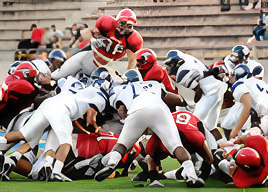
When it comes to capturing dynamic sports action, few sports rival football. While professional football and USC football are out of my league, I really enjoy shooting junior college football games. I have almost unlimited access to the field of play and burn a few extra calories moving up and down the field. The athletes are just as intense as in the big 4-year colleges with the hope of obtaining a scholarship to one of those nationally known colleges. This is also my opportunity to post select images on my site which I also send to individual players on request, usually by their parents.
|
|
|
|
|
|
|
|
|
|
|
|
Photographing the human figure takes a lot more thought and preparation than one would normally think. Unlike a scenic, where the photographer can explore a static situation or a moving subject where you take your best shot in a repetitive environment, figure photography requires direct and personal communication with another human being. However, from an aesthetics point of view, photographing the human figure is not that different than a beautiful landscape.
|